How Technology Improves the Experience at a Dentist
Modern dental technology is not only about adding new equipment to a treatment room. The right tools can help patients better understand what their dental team sees, make diagnostic information easier to review, and streamline parts of an appointment.
When visiting a dentist near me, patients may encounter technology that supports everything from dental imaging to recordkeeping and treatment planning, making information easier to share throughout the care process.
Digital Imaging & A Closer Look at Oral Health
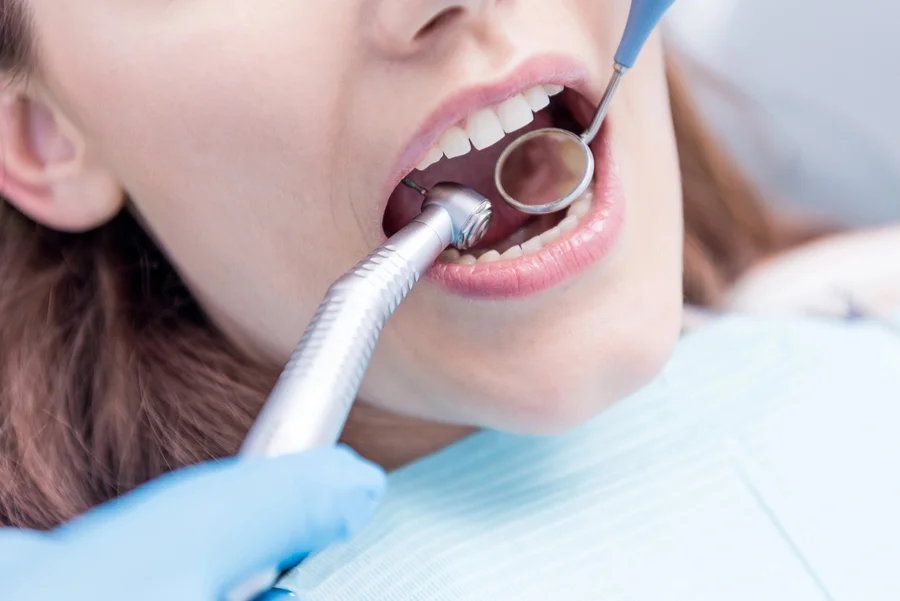
Some dental concerns develop in areas that cannot be evaluated through visual examination alone. Dental radiographs provide additional information about teeth and surrounding structures.
The U.S. Food and Drug Administration explains that dental X-rays can help dentists diagnose disease and plan treatment. Digital radiography captures these images electronically rather than relying on conventional film.
Imaging Should Match Individual Needs
Technology does not mean every patient needs the same images at every visit. The American Dental Association recommends that dentists order radiographs after considering a patient’s health history, previous X-rays, current clinical findings, age, and risk factors.
This individualized approach keeps imaging connected to a clinical reason rather than making it an automatic part of every appointment.
Digital Records & More Organized Information
Dental visits generate a considerable amount of information, including medical histories, examination findings, radiographs, treatment notes, and previous procedures. Electronic dental records can help organize this information so the care team can review relevant details when needed.
Good recordkeeping also supports continuity. When a dentist compares current findings with previous information, changes may be easier to recognize and discuss.
Technology may contribute to the patient experience through:
- Digital dental radiographs
- Electronic health and dental records
- Intraoral images of teeth and gums
- Digital treatment-planning tools
- Electronic prescription systems
- Digital impressions in appropriately equipped practices
- Secure communication and administrative systems
The specific technology available varies between dental practices and according to the treatment being provided.
Intraoral Imaging & Patient Understanding
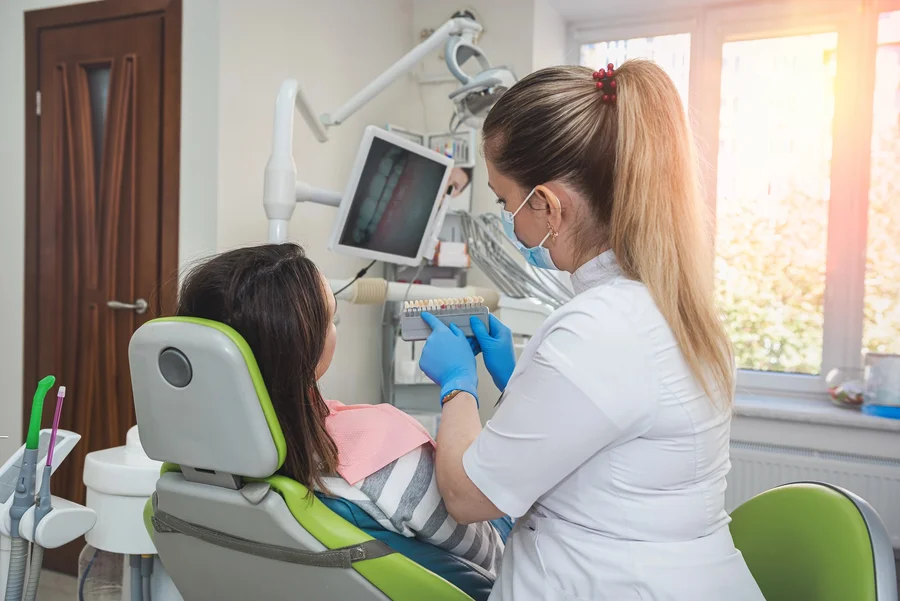
One challenge in dentistry is that patients cannot easily see what the dentist sees. An intraoral camera can capture enlarged images inside the mouth, giving patients a closer view of certain teeth, restorations, or areas of concern.
Visual Information Can Support Better Conversations
Seeing an image can make a dental discussion more concrete. Instead of relying entirely on a verbal description, a patient may be able to view the area being discussed and ask more specific questions.
Technology should support communication, not replace it. Patients still need clear explanations of findings, treatment choices, expected benefits, potential risks, and alternatives before making decisions about their care.
Digital Impressions & Treatment Planning
Traditional dental impressions use impression material to create a physical reproduction of teeth and oral structures. In some situations, digital scanning provides another method.
The National Institute of Standards and Technology has conducted research related to optical technologies and three-dimensional measurements used in dentistry. Digital dentistry continues to apply scanning and computer-based workflows to areas such as restorative treatment and prosthetic planning.
For patients, digital workflows may make certain aspects of treatment easier to visualize while providing clinicians with detailed information for planning. Whether a digital scan is appropriate depends on the procedure and the technology available.
Technology & Radiation Safety
New technology does not eliminate the need for careful clinical judgment. Dental X-ray equipment uses ionizing radiation, so imaging should provide a diagnostic benefit that justifies the exposure.
The FDA emphasizes appropriate selection of dental radiographs and recommends using techniques that minimize unnecessary radiation while maintaining diagnostic image quality. Modern equipment, proper technique, and individualized imaging decisions all contribute to this goal.
Equipment Is Only Part of the Experience
An advanced device cannot replace clinical skill, attentive listening, or a clear explanation. Technology is most useful when it helps the dental team gather meaningful information and communicate it in a way the patient understands.
Patients can participate by asking why an image or scan is recommended, what it may reveal, and how the findings could affect treatment decisions. Those questions turn technology into part of a collaborative appointment rather than something happening silently in the background.
Experience Modern Care at a Dentist Near Me
Dental technology can make appointments more informative by supporting imaging, recordkeeping, communication, and thoughtful treatment planning. Westover Dentistry can help you understand how available technology fits into your individual dental care without losing the value of a personal conversation with your provider.
Schedule an appointment or call the office to visit a dentist near me and learn how modern tools can support a clearer, more comfortable dental experience.
