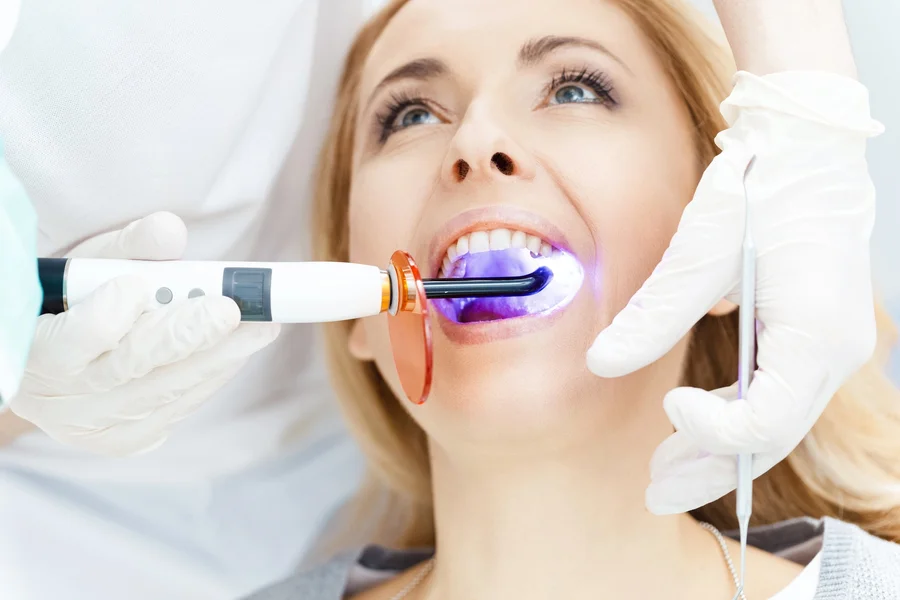
Benefits of Building a Relationship with a Dentist
Dental appointments can feel more productive when your provider already understands where your oral health has been and what has changed since your last visit. Establishing ongoing care with a dentist near Westover, Arlington, VA, can create valuable continuity, giving you and your dental team opportunities to build a detailed history, track changes over time, and communicate more comfortably about concerns, preferences, and treatment decisions.
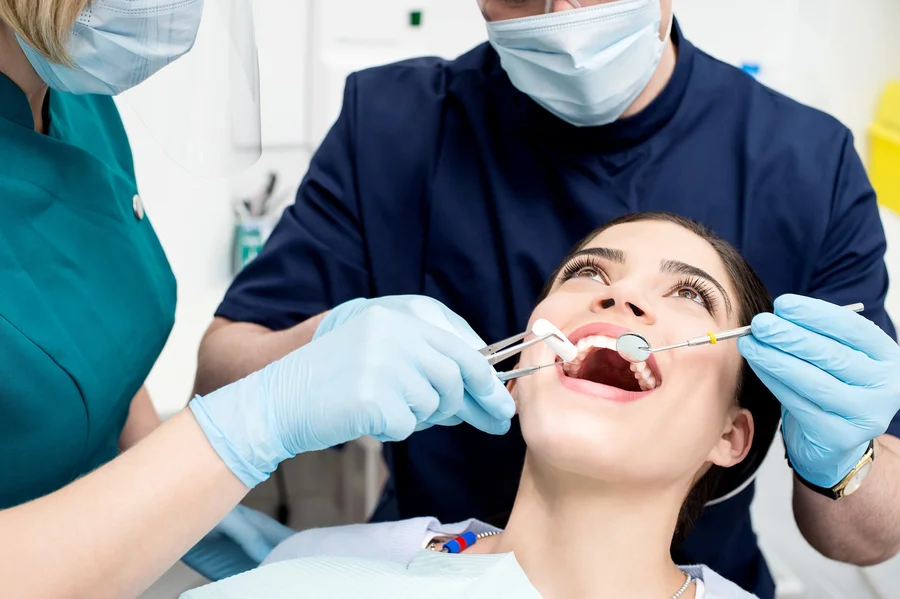
Familiarity & A More Complete Dental History
Your dental history develops with every exam, X-ray, restoration, cleaning, and conversation. Returning to the same practice can help create a more continuous record of that information.
The American Dental Association notes that patient records may include health histories, examination findings, diagnoses, treatment plans, radiographs, and progress notes. Maintaining this information gives a dentist useful context when evaluating current findings.
Past Information Can Give New Findings Context
A finding at one appointment tells part of the story. Previous records may help a dentist determine whether something appears stable or has changed since an earlier visit.
This can be particularly helpful when monitoring existing restorations, gum health, recurring sensitivity, or previously monitored areas. Continuity provides a reference point instead of requiring every appointment to begin without historical context.
Communication & More Comfortable Conversations
Building familiarity can also make it easier to talk openly about dental care. Patients may have concerns about sensitivity, treatment costs, previous experiences, scheduling, or simply not understanding a recommended procedure.
A continuing professional relationship gives both sides more opportunities to learn how to communicate effectively.
Benefits of ongoing communication may include:
- Greater familiarity with your dental history
- More opportunities to discuss changes between visits
- A clearer understanding of personal treatment preferences
- Easier conversations about dental anxiety or discomfort
- Consistent reinforcement of home-care recommendations
- More context when reviewing previous treatment
- Better preparation for questions at future appointments
The goal is not to agree automatically with every recommendation. Patients should feel comfortable asking questions and understanding their options before making healthcare decisions.
Routine Visits & Ongoing Prevention
Continuity is especially useful in preventive dentistry because oral health changes over time. The National Institute of Dental and Craniofacial Research explains that early tooth decay may not cause symptoms. Gum disease can also progress without producing obvious discomfort in its earlier stages.
Regular Care Creates Opportunities to Monitor Change
Returning for recommended preventive appointments allows a dental team to reassess teeth, gums, restorations, and home-care needs. Your dentist may also update recommendations when risk factors change.
For example, a new medication might contribute to dry mouth, or a change in brushing habits could affect plaque accumulation. Recognizing these changes allows preventive advice to evolve with the patient rather than remaining the same year after year.
Medical Updates & Oral-Health Decisions
Dental care does not occur in isolation from general health. Medical diagnoses, medications, allergies, and lifestyle changes can influence treatment planning or oral-health risks.
NIDCR notes that hundreds of medications can cause dry mouth. Reduced saliva may increase the risk of tooth decay and oral infections. Sharing medication changes with a familiar dental team helps keep the health history up to date.
A dentist who has access to previous information can compare new updates with what was documented before and ask relevant follow-up questions.
Treatment Planning & Informed Choices
A long-term dental relationship can also provide useful context when treatment is being considered. Existing records may show when a restoration was placed, which tooth has been monitored, or how symptoms have developed.
Questions Remain an Important Part of Care
Familiarity should never replace informed decision-making. Patients can ask what a dentist found, why treatment is being recommended, whether alternatives exist, and what may happen if treatment is delayed.
The ADA emphasizes informed consent as a communication process between the dentist and the patient. A continuing relationship can support that conversation by giving both parties a shared history. However, the patient still deserves clear information for each new decision.
Consistency & A Routine That Fits Real Life
One practical advantage of establishing a dental home is that preventive care can become part of a familiar routine. Patients know where their records are kept, how the practice operates, and whom to contact when questions arise.
That consistency can make it easier to stay engaged with dental care rather than treating each visit as an isolated event. Over time, the relationship becomes another tool for maintaining awareness of oral-health changes.

Connect With a Dentist Near Westover Arlington, VA
Building an ongoing dental relationship can give your care more context, from preventive visits and updated health histories to future treatment conversations. Westover Dentistry can help you establish a consistent approach to routine dental care while keeping your individual questions and needs part of the discussion.
Schedule an appointment or call the office to connect with a dentist near Westover, Arlington, VA, and start building a more familiar approach to your long-term oral health.
